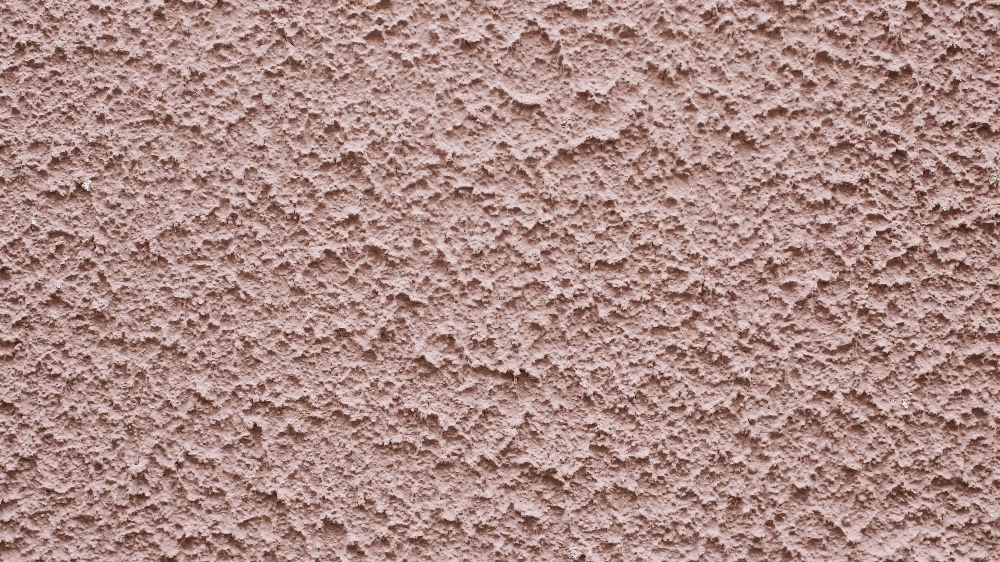
Textured exterior wall paint and textured render offer different ways to finish an external wall. Textured paint adds a decorative texture through the paint coating, while render creates its finish through the material’s grain size and how it is applied and worked.
The right choice depends on the existing surface and the finish you want to achieve. Painting an already textured wall is also different from using paint that creates texture. This guide explains those distinctions and explores the render finishes available from Rendit.
What’s the difference between textured paint and render?
Textured exterior wall paint creates a textured coating on a suitable surface. The effect varies by product, so check the manufacturer’s description and application guidance for the finish you want.
Render forms a separate layer on the wall. Its texture depends on the product and finishing technique. For example, Parex Monorex can produce different render finishes, including scraped and spray-textured effects.
If your wall already has the texture you want and simply needs its colour refreshing, a compatible exterior render paint may be suitable. Check the existing render, previous coatings and preparation requirements before choosing a paint.
What types of render texture finishes are possible?
Each manufacturer has renders with different finishes, and the look you wish to achieve will influence the render system used.
Textured, Smooth, Scraped and even more unique finishes such as brick effects or ashlar detailing are achieved via a combination of the application method and the finishing tool used.
How are different texture finishes achieved?
Standard renders usually have 3 categories of finishes - scraped, smoothed and textured – each with their own subtle variances. For example, Parex Monorex can be scraped to achieve a fine or medium finish.
Scraped texture finishes are achieved by scraping the render with a scraping tool before the render has set hard whereas using a trowel or float will result in a smooth-looking finish.
Applying the render using a spray machine will give a far more pronounced texture finish, similar to tyrolean and roughcast.
There are also more technical and specialist finishes such as pebble dash where an aggregate is thrown onto a wet receiver; and brick or ashlar effects, where a pattern is cut into wet render to give it the appearance of real brickwork.
Choosing a finish for your exterior wall
Start by deciding whether you want to refresh the colour of an existing textured surface or create a new texture. For repainting, choose a paint compatible with the existing render and any previous coatings. For a new render finish, select the render system and application method together.
Before ordering, check the manufacturer’s guidance on suitable surfaces, preparation and application. For help choosing from Rendit’s render and paint ranges, contact our technical team on 01302 884385.