
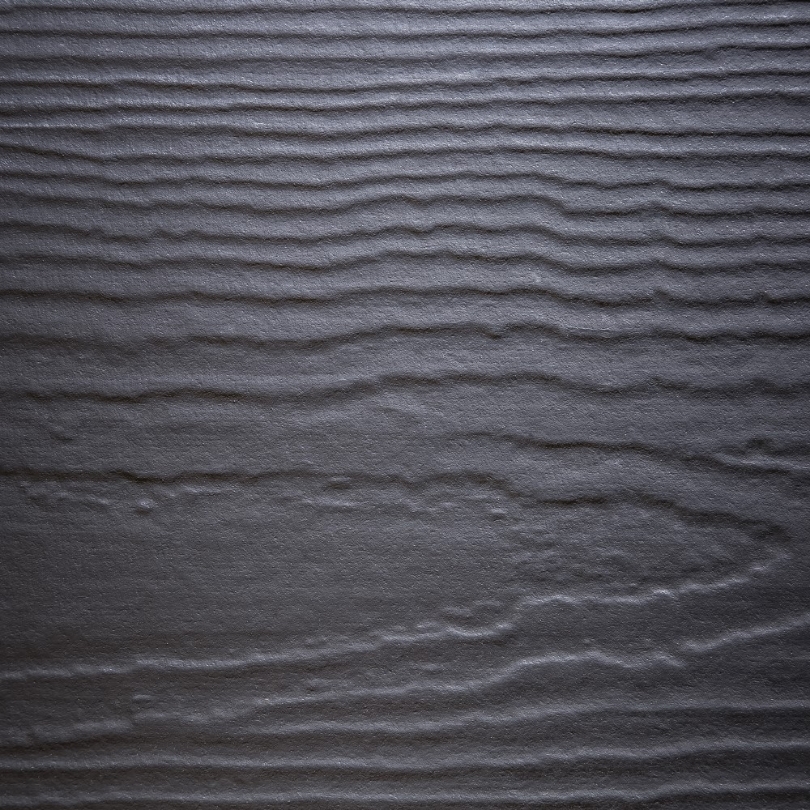
When people are choosing external wall cladding panels, a lot of the focus goes onto the finish or colour. But in my opinion, the bigger things to look at are performance, compatibility and how the system is actually going to hold up once it’s on the building.
I’ve seen plenty of jobs where the wrong system caused issues later down the line, not because the product itself was poor, but because the substrate, fixing method or insulation setup wasn’t properly considered. Whether you’re working on a new build, refurbishment or commercial project, it’s worth just looking at the full system before making a decision.
Understanding Different Cladding Panel Types
There are plenty of exterior cladding panels on the market now, and each system has its own pros and cons depending on the project type.
Some of the more common options include:
- Fibre cement board cladding
- Timber cladding
- Composite cladding
- Metal cladding systems
In my experience, fibre cement board cladding is one of the more practical choices because it offers a good balance between durability, weather resistance and maintenance. It’s also widely used across both residential and commercial jobs, so most installers are familiar with working with it.
That said, no single system suits every project. What works well on a modern new build might not be the best fit for a refurbishment or an exposed coastal property.
Substrate Compatibility
One thing I always check before choosing external wall cladding panels is what they’re actually being fixed onto.
Different substrates can behave very differently once the building starts moving through seasonal changes, temperature shifts and moisture exposure. If movement hasn’t been considered properly, that’s where cracks, fixing failures and moisture problems can start showing up.
Some systems are fitted directly onto masonry, while others are installed over sheathing board, timber frame or steel frame systems. If insulation is being included as part of the build-up, that also needs to be factored in.
In my opinion, this is one of the most overlooked parts of choosing a cladding system.
Fire Performance and Compliance
Fire performance has become a much bigger consideration in recent years, especially on commercial and multi-storey projects.
Different external wall cladding panels have different reaction-to-fire classifications, so it’s important to make sure the system being specified is suitable for the type of building and current regulations.
This is another reason why fibre cement board cladding is commonly used. Many systems offer strong fire performance alongside good durability and weather resistance.
At the same time, it’s important not to look at the board in isolation. The full wall build-up matters, including insulation, membranes, cavities and fixings.
Weather Resistance and Long-Term Durability
In the UK especially, external wall finishes need to deal with constant moisture, changing temperatures and general weather exposure throughout the year.
Some systems hold up far better than others over time. UV stability, water resistance and freeze-thaw performance all play a part in how well the finish lasts.
I’ve seen cheaper systems initially look fine but start deteriorating much faster once they’ve been exposed to a few winters. In my opinion, it’s usually worth investing in systems that are designed for long-term performance rather than focusing purely on upfront cost.
Installation Methods and Movement Considerations
A lot of cladding problems don’t come from the board itself. They come from poor installation or movement not being properly accounted for.
Things like:
- Expansion and contraction
- Ventilation gaps
- Fixing centres
- Movement joints
- Correct support rails
all need to be considered properly during installation.
Even high-quality exterior cladding panels can run into issues if manufacturer guidance isn’t being followed correctly.
This is especially important on larger elevations where movement across the building becomes more noticeable over time.
Insulation Compatibility and System Design
A lot of modern projects now include insulation within the external wall system, so compatibility between the cladding and insulation setup is important.
Depending on the build-up, you may be working with:
- External wall insulation systems
- Ventilated façade systems
- Rainscreen systems
- Timber or steel frame construction
Getting the right combination of insulation, cavity depth, membranes and cladding panels helps improve both thermal performance and moisture management.
In my opinion, this is where planning the full system properly from the start makes a massive difference later on.
Maintenance Requirements
Maintenance is another area that’s worth thinking about before choosing a system.
Some external wall cladding panels need regular treatment, painting or ongoing upkeep, while others are far lower maintenance once installed.
For a lot of commercial projects especially, long-term maintenance costs can become just as important as the initial installation cost.
That’s one of the reasons fibre cement systems continue to be popular. They generally offer good durability without requiring constant upkeep.
Final Thoughts
In my opinion, choosing the right external wall cladding panels is less about appearance and more about how the full system performs over time.
A good-looking finish is important, but long-term durability and proper system design are what really make the difference once the project is complete.