Can we send you order related notifications? Don't forget to download our app at the Google Play Store and Apple App Store!

VPI Base Coats for Cement Particle Board / External Insulation Board
Cement particle boards and external insulation boards require a flexible, reinforced base-coat system before the decorative render is applied. This creates a continuous surface across the boards, reinforces joints and helps accommodate the stresses associated with boarded substrates.
This VPI range includes a polymer-modified adhesive and base coat alongside alkali-resistant reinforcing mesh. The complete build-up must be compatible with the selected board and final VPI finish.
Products in This Range
- VPI RheaMix Mono Gris – A highly flexible, polymer-modified base coat and adhesive developed for external wall insulation and direct-render systems.
- VPI 4mm Reinforcing Mesh – An alkali-resistant mesh for compatible cement, lime and polymer-modified render systems, helping improve crack resistance within the reinforced base-coat layer.
Typical Applications
These products may be used to:
- Create a base over compatible cement particle boards
- Bond selected external wall insulation boards
- Form a reinforced layer across board joints
- Improve resistance to cracking and surface stress
- Prepare boarded substrates for compatible VPI finishes
- Support direct-render and external insulation systems
Preparing Board Substrates
Boards must be suitable for rendering and installed in accordance with their manufacturer’s instructions. They should be securely fixed, correctly spaced and arranged with staggered joints where required.
The surface must be clean, dry and free from dust, grease or other contaminants. Proud fixings, damaged edges and uneven joints should be corrected before the base coat is applied.
Not every cement particle or insulation board accepts the same render system. Board compatibility, fixing requirements and the need for primers or additional mechanical fixings should be confirmed before installation.
Creating the Reinforced Base Coat
VPI reinforcing mesh should be fully embedded within the wet RheaMix Mono Gris base coat. Adjacent mesh sections should overlap according to the system specification, with additional diagonal reinforcement used around windows, doors and other openings where required.
The mesh should remain within the base-coat layer and must not be visible at the surface. Particular attention should be given to board joints, corners and transitions between different materials.
Selecting the Finish
Only a compatible VPI finishing product should be applied over the completed base coat. Lightweight finishes from the VPI Crepilane range may be specified, while suitable Rehajet finishes may also be considered for some cement particle board and external insulation systems.
Always check the relevant VPI and board-manufacturer technical guidance for approved substrates, application thicknesses, reinforcement details, curing periods and compatible finishes.
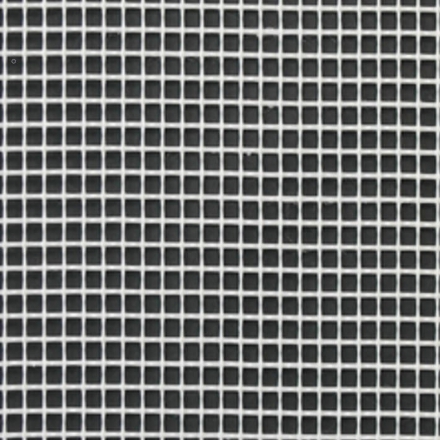
Alkali resistant reinforcing mesh for use with cement/lime and polymer modified render systems to provide enhanced crack resistance to render systems onto masonry substrates.
£66.81 excl. VAT

VPI RheaMix Mono Gris is a flexible, polymer-modified base coat and adhesive for external wall insulation and direct render systems. Supplied in 25kg bags, it is used during the preparation and base-coat stages of the specified render build-up.
£24.67 excl. VAT
Recently viewed products
 |